Uche Amunike
Lifeandtimes News Writer
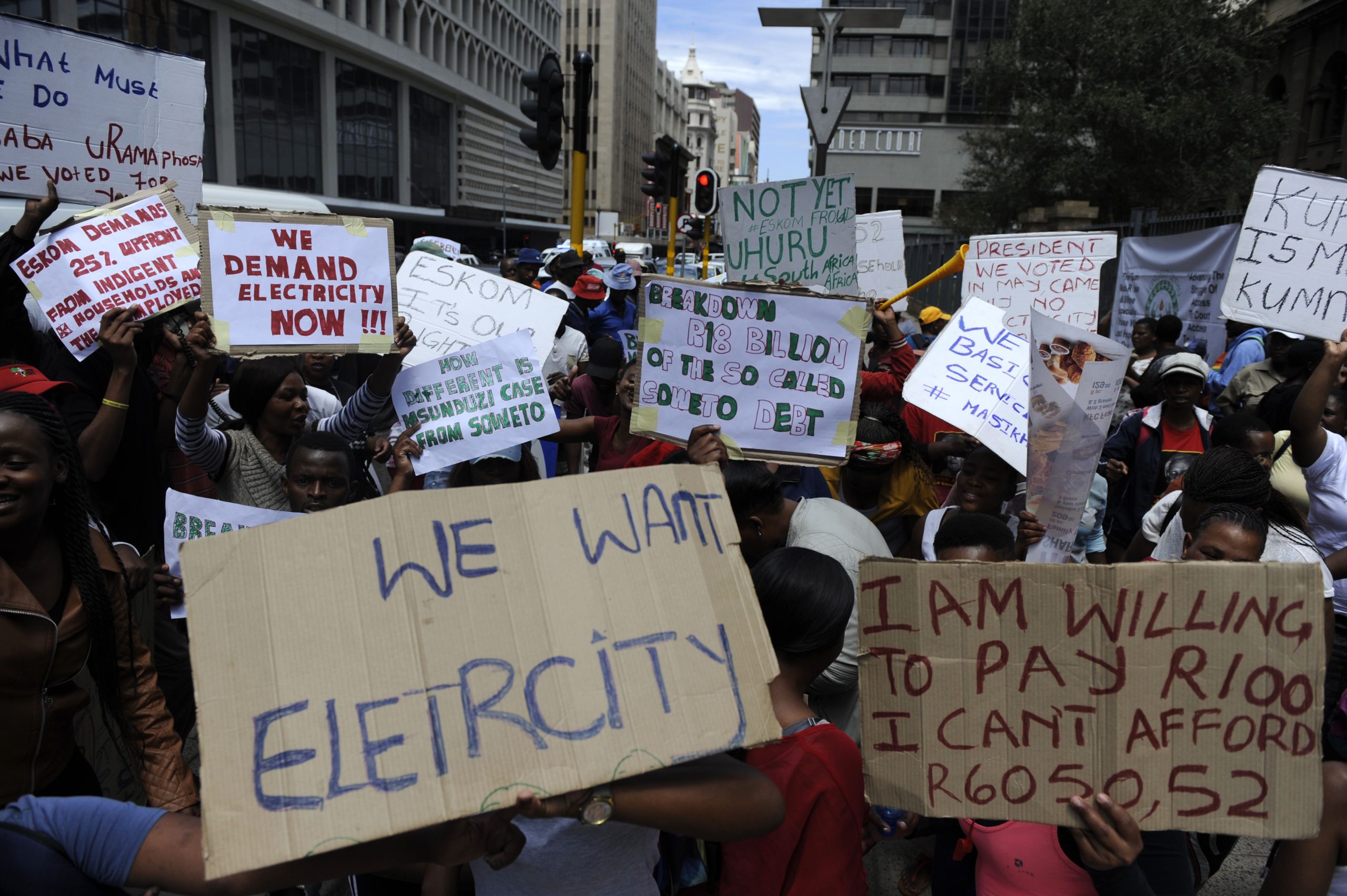
Labour unions across Nigeria and other African countries have rejected the African Development Bank (AfDB) and World Bank-backed “Mission 300” electricity initiative, warning that the programme may increase debt burdens on African nations without solving the continent’s long-standing electricity problems.
The unions raised their concerns during recent discussions on the proposed energy initiative, which aims to provide electricity access to about 300 million Africans by 2030. While the AfDB and the World Bank described the project as a major step toward improving energy access in Africa, labour groups argued that the programme could create more economic pressure for already struggling countries.
According to the unions, many African nations are already dealing with rising debt levels, and taking on more loans through the World Bank-supported electricity programme may worsen financial challenges instead of improving living conditions for citizens. They stressed that African governments should focus more on sustainable and locally driven energy solutions rather than depending heavily on foreign-backed initiatives.
The workers’ unions also expressed fears that the Mission 300 project could encourage electricity privatisation policies that may negatively affect ordinary citizens. They claimed that previous reforms supported by international financial institutions like the World Bank often resulted in higher electricity tariffs, poor service delivery and job losses in some African countries.
In Nigeria, organised labour groups pointed to the country’s electricity sector reforms over the years, saying many Nigerians are still battling unstable power supply despite several interventions and billions of dollars invested in the sector. The unions insisted that electricity should remain affordable and accessible to citizens instead of becoming a profit-driven service controlled by private interests.
They further argued that the World Bank and similar institutions usually attach conditions to loans given to developing countries, which may force governments to implement policies that do not always favour the masses. According to them, African leaders must carefully examine the long-term impact of the proposed electricity initiative before committing their countries to additional financial obligations.
The Mission 300 initiative was introduced by the AfDB and the World Bank as part of efforts to address energy poverty across Africa. Reports show that millions of Africans still lack access to stable electricity, especially in rural communities where power infrastructure remains poor or completely unavailable.
Supporters of the programme believe it could help drive economic growth, improve healthcare services, support education and create employment opportunities if properly implemented. However, critics insist that access to electricity should not come at the cost of increasing national debt or exposing citizens to more economic hardship.
Labour leaders are now calling on African governments to prioritise investments in renewable energy, strengthen local power infrastructure and encourage policies that protect workers and consumers. They also urged policymakers to involve labour unions and civil society groups in discussions concerning major electricity reforms across the continent.
As debates continue over the future of Africa’s energy sector, the concerns raised by workers’ unions have added fresh pressure on governments and financial institutions involved in the World Bank-backed Mission 300 initiative.