
France has confirmed the first known human case of Shamonda virus (SHAV), after a severely immunocompromised patient died in early October.
French health authorities announced the development on Thursday. The case has prompted questions about the virus, particularly as concerns persist over the Ebola outbreak.
TheCable Lifestyle breaks down what Shamonda virus is, how it spreads and the risk it poses to humans.
WHAT IS SHAMONDA VIRUS?
Shamonda virus is a vector-borne virus in the Orthobunyavirus group, according to the World Organisation for Animal Health (WOAH). It belongs to the same broad family as Schmallenberg and Akabane viruses, both of which are linked to animal infections.
WOAH said the virus was first isolated from cattle in Nigeria in 1965. It was later detected in other parts of Africa and Asia in the early 2000s.
According to France’s ministry of agriculture, Shamonda virus was detected in Europe for the first time in the summer of 2026, including in France, Germany and Switzerland.
WOAH also identified two variants of the virus: Shamonda virus Europe 1 (SHAV-EU1) and Shamonda virus Europe 2 (SHAV-EU2).
The two variants differ mainly in their geographical distribution, with SHAV-EU1 found mainly in Central Europe and SHAV-EU2 in Northern Europe. However, both are likely to cause similar symptoms, while possible differences in the animal species they infect have yet to be fully established.
HOW DOES IT SPREAD?
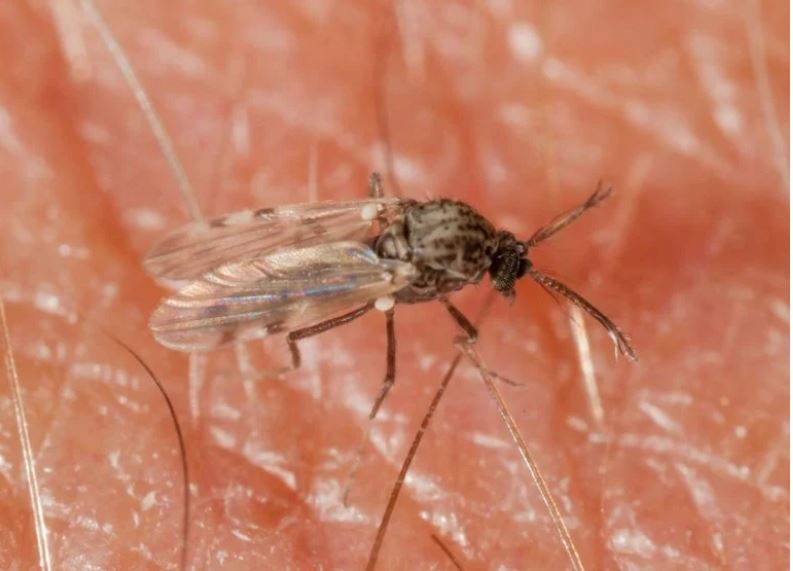
Shamonda virus is mainly transmitted through the bites of infected Culicoides midges, which are small, blood-sucking insects.
The virus primarily affects animals, particularly cattle. Although direct transmission between animals has not been established, transmission from a mother animal to its offspring during pregnancy has been reported.
French authorities said the leading hypothesis was that the patient contracted the infection through the bite of a Culicoides midge in eastern France. However, investigations into how the infection occurred are ongoing.
WHAT ARE THE SYMPTOMS?
The symptoms of the virus reported in infected animals include:
- Fever
- Diarrhoea
- Reduced activity
- Reduced milk production in cattle
- Reproductive complications, including abortions and foetal malformations
- Neurological disorders in some horses
Symptoms of Shamonda virus infection in humans are not yet fully understood.
In the first documented human case in France, authorities said the patient experienced brain complications before dying in early October. They added that the complications were very likely linked to the infection.
ARE HUMANS AT RISK?
French health authorities said no health risk to the general population has been identified based on current knowledge of the Shamonda virus. The first documented human infection is considered an exceptional case.
The European Centre for Disease Prevention and Control (ECDC) said investigations are ongoing to determine how the patient contracted the virus and its potential implications for public health. So far, no evidence of human-to-human transmission has been established.
Although no specific precautions against Shamonda virus have been recommended for the general public, using insect repellents and taking other measures to prevent insect bites can help protect against insect-borne diseases.
IS THERE A CURE?
There is currently no established, Shamonda-specific treatment for infections in humans or animals. There are also no commercially available vaccines against the virus.
HOW CAN THE RISK OF INFECTION BE REDUCED?
Since Shamonda virus primarily affects animals and is transmitted through the bites of infected midges, preventing animals from being bitten is an important way to reduce the risk of infection. The following measures can help protect animals from infected midges:
- Protect animal housing: Install insect-proof screens on windows and openings, use double-door entry systems and apply approved insecticides as directed.
- Control breeding sites: Manage areas where midges breed and monitor their presence around animal facilities.
- During road transport: Apply approved insect repellents to animals, transport them when midge activity is low and avoid stopping at dawn, dusk or overnight unless the animals are protected by insect-proof netting.
- During air transport: Treat animal crates and cargo areas with approved insecticides in line with relevant safety procedures.
For humans, using insect repellents and taking measures to avoid midge bites can help reduce exposure to this insect-borne infection.
Still, there is no need for panic: health authorities say no health risk from Shamonda virus has been identified for the general population.