
The Federal Government has confirmed an imported case of Ebola virus disease in the Federal Capital Territory, Abuja, as health authorities intensify contact tracing following the identification of 44 contacts.
This is as the Africa Centres for Disease Control and Prevention calls for urgent international support to contain the outbreak spreading across parts of Africa.
The Minister of Health and Social Welfare, Prof. Ali Pate, disclosed on Tuesday that the infected woman had recently travelled to Nigeria from Uganda and developed symptoms on October 7, four days before seeking medical attention at a private hospital in Abuja.
According to Pate, the patient visited the facility on October 11, but her condition subsequently worsened, prompting further tests that confirmed the infection on October 20, 2026.
“The patient is a woman who had travelled to Eastern Africa, to Uganda in particular. She came back, had symptoms that commenced on the 7th of October.
“On the 11th, she attended a private facility where she was being taken care of. Her symptoms progressed, and further tests indicated that she had Ebola virus disease,” the minister said.
The patient is currently in isolation and receiving medical care, while public health authorities work to identify and monitor everyone who might have been exposed to the virus.
“Contact tracing has been conducted, and it’s underway as we speak, with 44 contacts already identified,” Pate said.
He said the contacts being monitored included healthcare workers, patients, caregivers and people who might have travelled with the woman.
The minister specifically urged anyone contacted by public health teams, including passengers who might have travelled with the patient, to provide the requested information and comply with public health advice.
“Anyone contacted during the contact tracing period that we are in, including those who may have travelled with that individual, should provide necessary information requested and follow public health advice,” he said.
The Federal Ministry of Health and Social Welfare, the Nigeria Centre for Disease Control and Prevention, the FCT Health Secretariat, the World Health Organisation and Africa CDC are collaborating to contain the infection and prevent further transmission.
Pate said the private hospital where the patient received treatment was receiving support to strengthen infection prevention and control measures.
He also urged public and private health facilities nationwide to remain on high alert and promptly isolate and report suspected cases.
The confirmation in Nigeria comes amid a wider regional Ebola emergency.
Kenya has reported nine confirmed cases, according to information available on Tuesday, October 20, while the Democratic Republic of the Congo continues to battle the outbreak.
The developments have heightened concerns about cross-border transmission and the capacity of health systems to respond to new infections.
In a statement titled “Ebola in Nigeria: An Urgent Call for Global Solidarity,” Africa CDC Director-General, Dr Jean Kaseya, said he had spoken with Pate about Nigeria’s confirmed case and commended him for promptly sharing the information.
Kaseya said Africa CDC had warned of the regional implications of the outbreak when it was declared on May 15, 2026.
“This Ebola Bundibugyo outbreak has already become the most geographically widespread Ebola outbreak in history, affecting multiple countries across three regions of Africa,” he said.
He warned that the situation in the DRC remained particularly serious, with the mortality rate approaching 50 per cent, and said Africa CDC was mobilising support for Nigeria while intensifying its response in the DRC and Kenya and maintaining heightened vigilance in Uganda.
“My appeal to the international community is urgent: Act Now,” Kaseya said.
He called for immediate and flexible financing, medical supplies, diagnostic capacity, trained responders and stronger community-based surveillance, warning that delays could cost lives.
“We cannot allow this outbreak to spread to more countries or continue for another year,” he said.
Kaseya urged international health agencies, development partners and governments to coordinate support for affected countries, stressing that containing the outbreak in Africa was essential to global health security.
“Africa’s health security is global health security. Stopping Ebola in Africa today means protecting the world. Nigeria has our full solidarity. Together, we must defeat this outbreak,” he said.
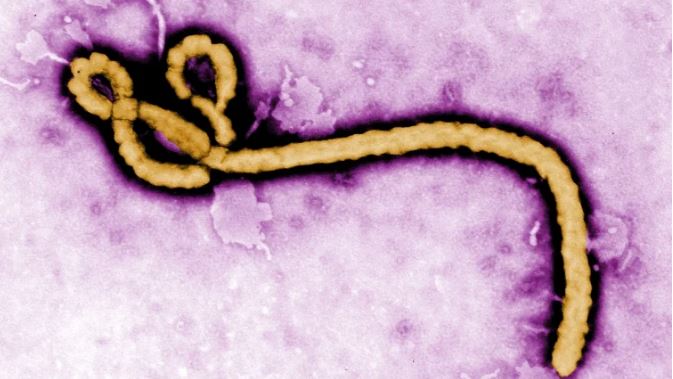
Ebola virus disease is a severe illness caused by viruses in the Orthoebolavirus genus. The current regional outbreak involves the Bundibugyo virus, which has previously caused outbreaks in Central and East Africa.
The disease spreads primarily through direct contact with the blood or other body fluids of an infected person who has developed symptoms, or someone who has died from the infection.
Transmission can also occur through contaminated clothing, bedding, medical equipment and other materials. Contact with infected animals can also expose humans to the virus.
Symptoms typically appear between two and 21 days after exposure and include fever, severe headache, weakness, muscle pain, vomiting, diarrhoea and abdominal pain.
Some patients may experience bleeding, although it is not present in every case. Early symptoms can resemble malaria and other common illnesses, making prompt medical assessment and laboratory testing important.
People who develop symptoms after possible exposure are advised to contact public health authorities immediately, disclose their travel and contact history, and follow official instructions.
Ebola is not generally transmitted before symptoms develop, making early detection, isolation and contact tracing central to preventing further spread.
Preventive measures include regular handwashing, avoiding contact with the body fluids of suspected or confirmed cases, using appropriate protective equipment when caring for patients, safely handling contaminated materials and ensuring that suspected Ebola-related deaths are managed by trained personnel.
Pate urged Nigerians to remain calm but vigilant, avoid spreading unverified information and cooperate with contact-tracing teams.
He recalled Nigeria’s successful containment of an Ebola outbreak in 2014, saying the country had the public health expertise and response systems required to manage the current case.
The minister also disclosed that the Presidential Task Force on Ebola Virus Disease had been constituted in May 2026 as part of the government’s preparedness efforts.
Members of the public seeking information or wishing to report suspected cases can contact the NCDC’s toll-free line, 6232, which the minister said operates 24 hours a day, seven days a week.
The Federal Government said investigations and contact tracing were continuing, with further updates expected as more information becomes available.