
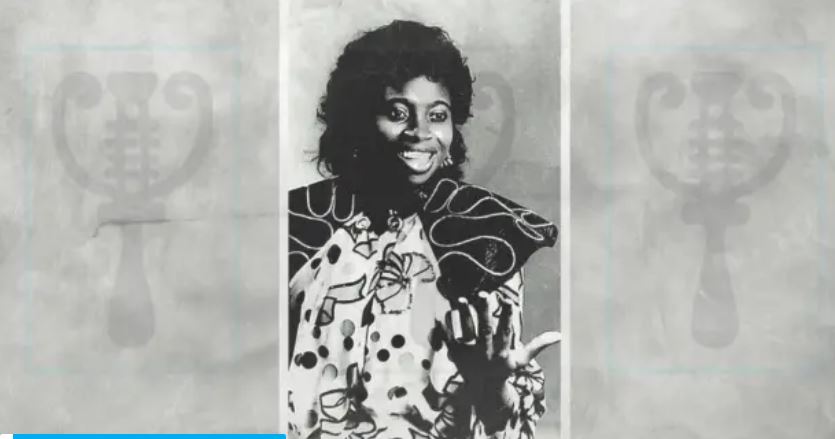
In the history of Nigerian music, few names evoke as much pure nostalgia as Evi Edna Ogholi. Long before contemporary female superstars began dominating global charts, a young woman from Isoko in Delta State picked up an acoustic guitar and changed the sound of Nigerian reggae. Looking back through the archives, her journey remains a masterclass in talent, cultural impact, and enduring musical legacy.
The Njoku reggae pioneer
Every legendary career has a definitive starting point. For Ogholi, hers began when she moved to Lagos with just a demo tape in 1987 at the age of 22. That same year, she released her debut album, My Kind of Music, under Polygram (now known as Premier Records).
In a heavily male-dominated 1980s music scene, Ogholi stood out as a rare powerhouse who commanded the stage with her acoustic guitar. Fans quickly dubbed her “Njoku Reggae” because of the distinct “njoku, njoku” sound her fingers made as she strummed the strings. Around this period, she also crossed paths with musician Emma Ogholi, who became her manager, producer, and eventually her husband, sharing two children together. She proved that female artists could write, play instruments, and command massive commercial appeal on their own terms.
The voice of social consciousness and everyday realities
Ogholi’s music was never just about catchy rhythms; it was a mirror reflecting Nigerian society. Tracks like “Happy Birthday,” “Riri Ovuru,” and “Onye Mmadu” carried deep messages about peace, unity, love, and human struggles. She used her platform to address social issues that resonated with ordinary citizens.
When people tuned in to her songs on radio stations or played her records at home, they heard lyrics that spoke directly to their everyday realities. This ability to combine groovy reggae beats with thoughtful social commentary gave her music a timeless quality that still feels relevant today.
Her rapid rise and sudden exit
Ogholi’s career blossomed rapidly. Within a remarkably short period, she captured the hearts of millions across Nigeria and the West African sub-region, earning her the title of Africa’s “Queen of Reggae.” Her collaboration with her husband and production team propelled her albums to massive commercial success.
However, like many music icons of that era, her story also includes a sudden shift away from the active Nigerian limelight as she eventually relocated abroad. Despite her departure from the local scene, her catalog remained a permanent fixture in the nation’s musical memory, leaving fans to fondly wonder about the golden era she left behind.
She laid a solid foundation for the women who came after her, proving that resilience, originality, and artistic independence are key to longevity. Today, as Nigerian female artists continue to break global barriers, it is important to trace the path back to pioneers like Evi Edna Ogholi
Whether listeners revisit her old vinyl records, cassette tapes, or digital archives, Ogholi’s legacy remains secure. She wasn’t just a pop star of the 1980s; she was a cultural trailblazer whose guitar chords and soulful voice will forever echo in the heart of Nigerian music history.