
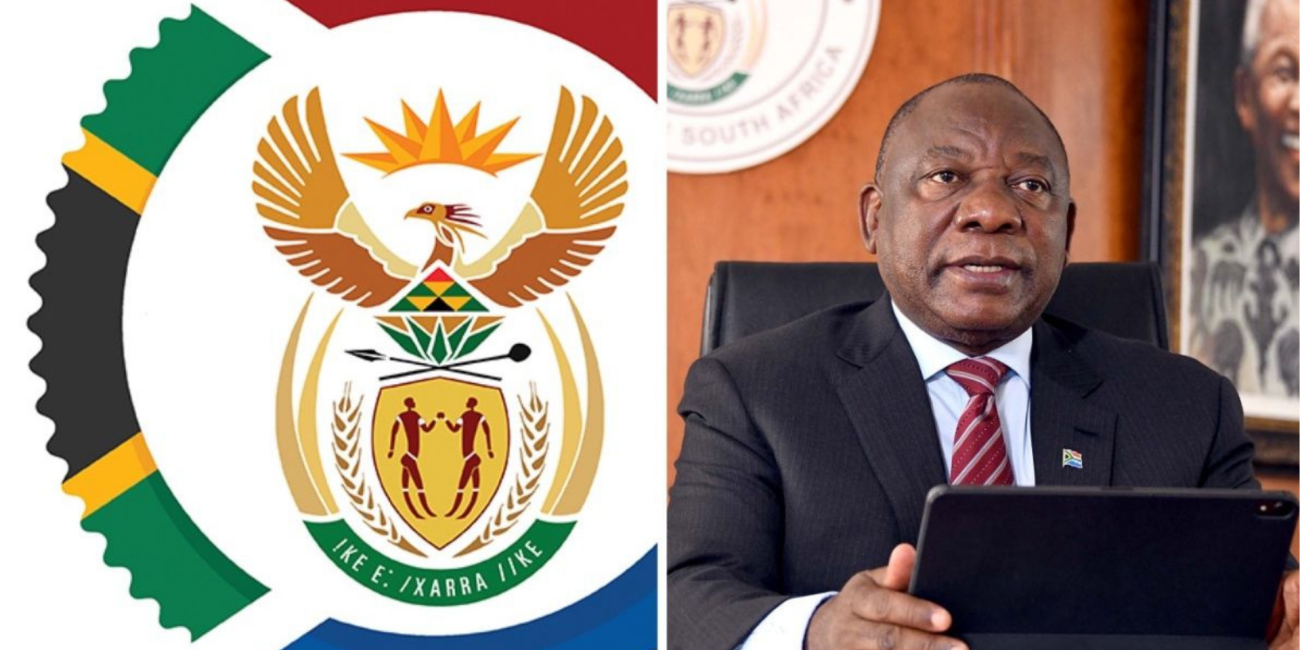
The South African government has expressed reservations over plans by Nigeria to evacuate its citizens from the country following renewed xenophobic tensions and anti-foreigner sentiments linked to recent protests across parts of South Africa.
Nigeria’s Minister of Foreign Affairs, Bianca Odumegwu-Ojukwu, disclosed this in a detailed statement on Thursday, May 7, 2026, following a telephone conversation with South Africa’s Minister of Foreign Affairs, Hon. Ronald Lamola, amid escalating concerns over the safety of Nigerians residing in the country.
According to her, the discussion was held against the backdrop of “continuing anti-migrant protests in South Africa, the latest of which took place in Durban, South Africa, yesterday 6th May 2026.”
Odumegwu-Ojukwu said the South African minister “expressed concern and misgivings concerning the plans by the government of Nigeria to evacuate its citizens desirous of leaving the Republic of South Africa due to the recent xenophobic attacks and anti-foreigner sentiments openly expressed” during the protests.

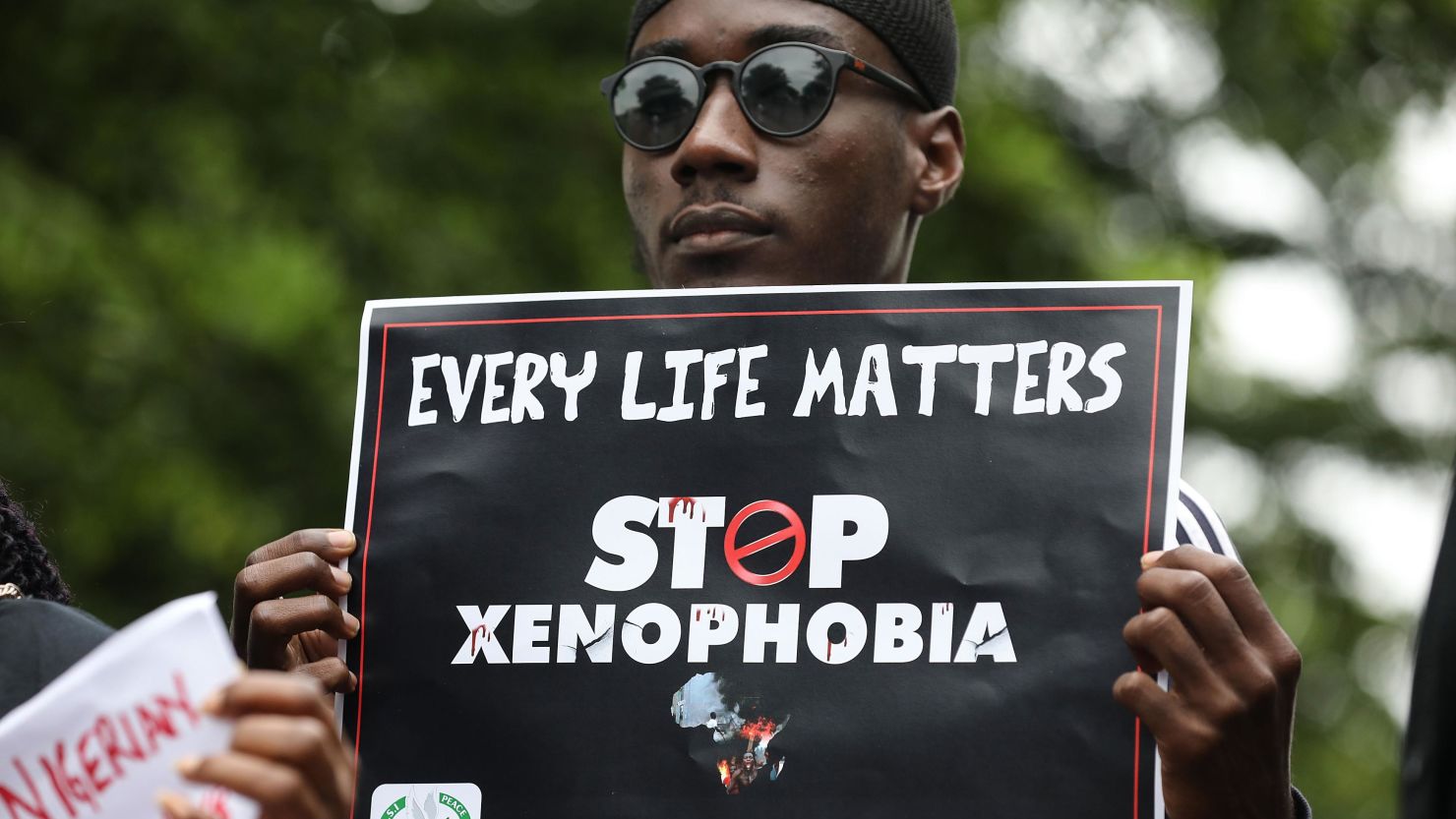
She, however, maintained a firm position on Nigeria’s responsibility to protect its nationals, stating: “I maintained that our government cannot stand by and watch the systematic harassment and humiliation of our nationals resident in SA as well as the extra-judicial killings of our people, and that the evacuation of our citizens who want to return home remains our government’s priority at this time.”
The Nigerian foreign minister further emphasized the need for accountability within South Africa’s security and justice institutions, stressing that “their police and justice systems” must take reports of killings of Nigerians more seriously and ensure “clear and immediate consequences for such acts.”
While noting that Tuesday’s protests in Durban did not escalate into violence due to heavy security deployment, she revealed that Nigerians were still advised by the Nigerian Mission to “close their shops and businesses and stay largely indoors.”
Odumegwu-Ojukwu also raised concerns about what she described as the “violent and indiscriminate rhetoric and actions of South Africa’s anti-foreigner political parties,” warning that such conduct “puts the lives and properties of Nigerian and other Nationals at risk,” while also noting that it could “have the effect jeopardizing the safety of South African interests in Nigeria.”
Despite the rising tension, she noted that Nigerians in South Africa have continued to show restraint, stating that “Nigerians have exercised, and continue to demonstrate commendable restraint, in their response to the ongoing crisis.”
A particularly disturbing issue raised during the conversation was the alleged targeting of Nigerian children and mixed-nationality children in South African schools.
The minister said she brought to Lamola’s attention “the unfortunate fact that Nigerian children as well as children born of both Nigerian and South African parents (referred to as ‘Sougerians’ ) are being wrongfully bullied in schools and taunted to ‘return to their country’.”
She described such behaviour as “reprehensible and capable of causing trauma to young minds for whom such incidents may remain etched in memory.”
In response, Lamola reportedly assured that South African authorities are not indifferent to the situation.
He stated that “the SA authorities recognise that they have a responsibility to protect these innocent children and [are] doing their utmost through education supervisory bodies to discourage these practices.”
Odumegwu-Ojukwu further noted that both governments reaffirmed their commitment to cooperation aimed at de-escalating tensions.
She acknowledged the public condemnations issued by South African leadership, including President Cyril Ramaphosa, but stressed that concerns remain among Nigerians both at home and abroad.
She observed that the recurring demand by some groups that foreigners leave South Africa appears disproportionately directed at African immigrants, raising deeper questions about the nature of the hostility.
According to her, this has led to growing debate over whether the situation should be more accurately described as “‘Afriphobia’ rather than Xenophobia.”
Despite the strained atmosphere, she said both countries remain committed to dialogue and stability.
This development comes even the Nigerian Senate plans alongside House of Representatives to form a joint committee aimed at intervening in the crisis through engagement with the South African parliament.


