
By Uche Amunike
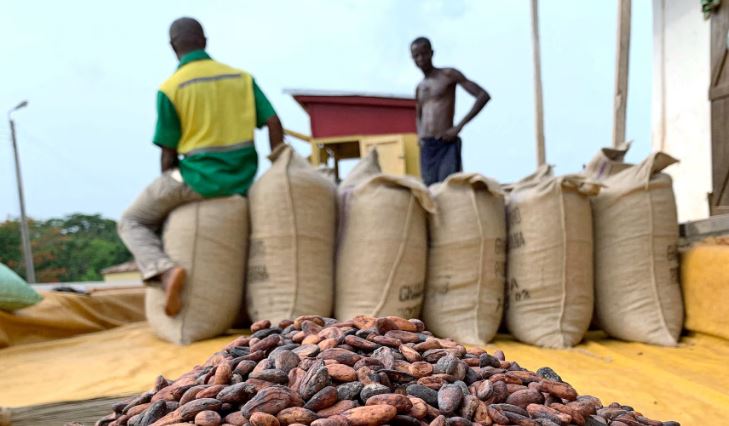
Nigeria’s cocoa bean exports to the United States surged by 554.4 per cent to $142 million in 2025, up from $21.7 million recorded in 2024, reflecting growing demand for the commodity and its increasing contribution to the country’s non-oil export earnings.
The United States Mission in Nigeria disclosed the figures in a post on its official Facebook page on Tuesday, describing the development as evidence of rising demand for Nigerian cocoa in the American market.
‘US demand for Nigerian cocoa is booming. Cocoa bean exports to the United States jumped from $21.7 million in 2024 to $142 million in 2025,’ the mission stated.
The mission also highlighted agricultural trade between both countries, noting that wheat accounted for 67 per cent of American agricultural exports to Nigeria.
It described the relationship as ‘fair, two-way trade that works for farmers, businesses, and families on both sides of the Atlantic.’
The latest figures highlight the growing importance of the Nigeria cocoa exports US market relationship as the country seeks to diversify its foreign exchange earnings, strengthen agricultural production and expand international trade beyond crude oil.
However, despite the impressive export growth, Nigeria’s cocoa industry continues to face structural challenges that could limit its long-term potential.
These include ageing cocoa plantations, inadequate access to affordable financing, declining productivity and limited domestic processing capacity.
Many cocoa trees in Nigeria are reportedly between 20 and 40 years old, while the average cocoa farmer is about 60 years old, raising concerns about the sustainability of production and the involvement of younger farmers in the industry.
Smallholder farmers also contend with high borrowing costs, inadequate access to fertilisers and pesticides, poor-quality seedlings and limited agricultural financing.
These constraints make it difficult for farmers to expand their plantations, improve yields and meet increasing international demand consistently.
Nigeria’s limited cocoa processing capacity further restricts the economic benefits derived from the commodity. More than 80 per cent of the country’s cocoa has historically been exported in raw form, limiting opportunities for domestic industrial development, employment generation and value addition.
Expanding local processing could enable Nigerian businesses to produce cocoa butter, powder and other derivatives for export, potentially increasing earnings across the agricultural value chain.
Data from the National Bureau of Statistics showed that Nigeria exported agricultural products worth N1.17 trillion in the first quarter of 2026, with cocoa beans contributing N596.90 billion.
Cocoa and its derivatives also accounted for 41.11 per cent of Nigeria’s non-oil export value in the first half of 2025, underscoring the commodity’s importance to the country’s export performance.
Despite the substantial increase in shipments to America, the United States accounted for approximately 6.1 per cent of Nigeria’s cocoa exports in the first quarter of 2025, ranking fourth among destination markets.
The growth in the Nigeria cocoa exports US market also comes amid changing global trade conditions and falling international cocoa prices.
Prices declined from approximately $10,950 per tonne at the beginning of 2025 to about $5,400 by November that year, highlighting the volatility confronting producers and exporters.
Nevertheless, the increase in American demand presents an opportunity for Nigeria to strengthen its cocoa trade, improve farmers’ earnings and attract investment into domestic processing.
Industry growth will depend on improved farm productivity, affordable financing, younger farmers’ participation and policies that encourage greater value addition before export.


