
By Uche Amunike
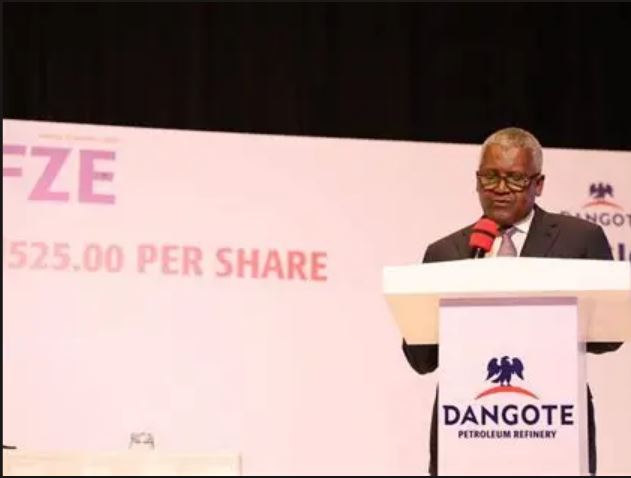
As thousands of Nigerians seek ownership in the Dangote Petroleum Refinery and Petrochemicals FZE, attention is shifting from the excitement surrounding the public offering to a question: when will investors begin to see returns?
The Dangote Refinery IPO opened on September 14, 2026, on the Nigerian Exchange, offering 4.1 billion ordinary shares at N525 each. If fully subscribed, the offer is expected to raise about N2.15tn. The minimum subscription is 10 shares, costing N5,250. The offer closes on October 13, 2026; allotment and listing dates are yet to be confirmed.
For investors considering the Dangote Refinery IPO returns timeline, the first thing to understand is that N525 is an offer price, not a guarantee of future value. Once listed, the shares can rise or fall depending on investor demand, company performance and conditions. The official IPO information also warns that investors could lose some or all of their investment.
The 700,000-barrel-per-day refinery, located in the Lekki Free Zone, was built at a reported cost of about $20bn and is designed to supply refined petroleum products to Nigeria and international markets.
According to figures reported by Reuters from the company’s IPO documents, Dangote Refinery generated more than $13bn in revenue during the first half of 2026 and recorded a net profit of $1.82bn. This was an improvement from the $476m loss recorded in 2025.
However, strong profits do not automatically mean immediate dividends. The company’s IPO information states that dividend payments are not guaranteed and will depend on factors including financial performance, cash requirements and decisions by the board.
This is important because Dangote Refinery has expansion plans. The company plans to increase refining capacity to 1.4 million barrels per day by 2029. Some earnings may be retained to fund expansion and working capital instead of being distributed.
Economist Paul Alaje said he expected the company could declare a dividend within its first two years, although he stressed that this was an expectation rather than a guarantee. He also noted that investors should not expect a reliable dividend figure until the company has built a longer operating history.
Professor of Economics at Olabisi Onabanjo University, Sheriffdeen Tella, said dividends could potentially come within six months to one year after allocation if the company was profitable. He cautioned investors against borrowing money to buy shares, noting that shares can produce gains or losses.
Dividends are not the only possible source of returns. Capital appreciation could provide another route. If an investor receives 100 shares at N525 each, the initial investment would be N52,500. If the shares later trade above N525, the investor would have an unrealised gain. If the market price falls below N525, the investor would instead have an unrealised loss.
The Dangote Refinery IPO returns timeline will therefore depend on several events. First comes the closing of the offer on October 13, followed by share allotment and listing. After listing, investors can watch the market price and company performance.
Still, the refinery faces risks. Refining margins, crude availability, foreign exchange movements, government policies and international developments can affect profitability and dividends.
Ultimately, investors should not expect the N5,250 minimum subscription to produce an immediate or guaranteed return. The Dangote Refinery IPO returns timeline will depend on the company’s earnings, dividend decisions and share-price performance after listing.
The IPO offers Nigerians an opportunity to own part of an industrial business, but the timing and size of any return remain uncertain. Investors will have to wait for financial results, board decisions and market valuation to determine whether their investment produces dividends or capital gains.


