
Uche Amunike
Lifeandtimes News Writer
Relocating to Canada has become a popular option for people seeking better career opportunities, quality education, and a high standard of living. However, the process is structured and requires a clear understanding of what it entails to make the move to Canada and immigration rules that are required to be adhered to. In this article, is a complete, up-to-date guide to help you navigate your relocation.
1. Understand the Main Immigration Pathways: Canada offers several immigration routes depending on your goals. The most popular is the Express Entry, designed for skilled workers. Others include the Provincial Nominee Program, which allows provinces to select candidates based on local labor needs, as well as study permits and family sponsorship programs. Choosing the right pathway is the first and most important step.
2. Check Eligibility Requirements: Each program has its own criteria, but common requirements include age, education, work experience, language proficiency, and adaptability. For Express Entry, candidates are ranked using the Comprehensive Ranking System (CRS). Strong English or French skills, verified through tests like IELTS, significantly improve your chances.
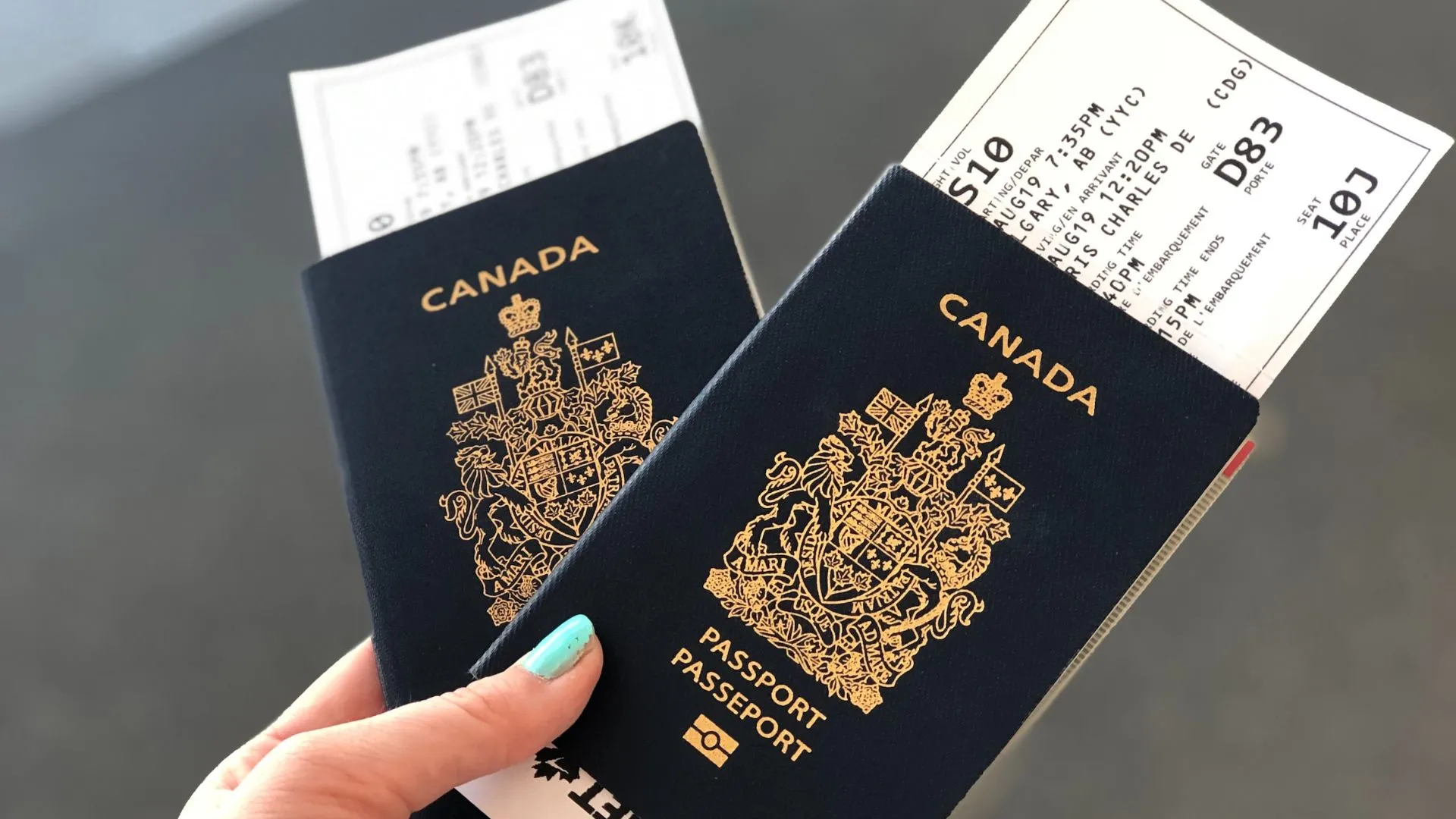
3. Get Your Documents Ready: Proper documentation is essential. You will need a valid passport, educational credential assessment (ECA), language test results, proof of funds, and work experience letters. Ensure all documents are accurate and up to date to avoid delays or rejection.
4. Create Your Profile and Apply: For Express Entry, create an online profile and enter the candidate pool. If your score meets the cutoff in a draw, you will receive an Invitation to Apply (ITA) for permanent residence. For PNPs, you may apply directly to a province or be selected through the Express Entry system.
5. Medical Exams and Background Checks: All applicants must undergo medical examinations and provide police clearance certificates. These checks ensure that you meet Canada’s health and security standards.
6. Understand Financial Requirements:
Canada requires proof that you can support yourself and your family upon arrival. The exact amount depends on family size and is updated regularly. Having sufficient funds is critical for approval.
7. Wait for Processing and Approval:
Applications are processed by Immigration, Refugees and Citizenship Canada. Processing times vary depending on the program, but Express Entry applications are typically completed within six months after submission.
8. Prepare for Your Move: Once approved, you will receive a Confirmation of Permanent Residence (COPR) and possibly a visa. Plan your relocation carefully—arrange housing, research job opportunities, and understand the cost of living in your chosen province.
9. Arrive and Settle in Canada: After arriving Canada and immigration law landing processes have been concluded with border officials, it is expedient to apply for essential services such as a Social Insurance Number (SIN), health insurance, and a bank account. Canada offers many settlement services to help newcomers integrate smoothly.
10. Stay Updated on Immigration Rules: Canadian immigration policies can change frequently, including CRS score thresholds, occupation demand lists, and financial requirements. Always rely on official updates and avoid misinformation.
In summary, relocating to Canada is achievable with the right preparation and knowledge of current immigration rules. By choosing the correct pathway, meeting eligibility criteria, and staying organized throughout the process, you can successfully begin a new chapter in one of the world’s most welcoming countries.